
It’s no secret that private sellers usually give better deals on their cars. After all, buying from a dealership means dealing with a professional salesperson: someone who knows all the tricks in the book to get the best deal possible for their company.
A private seller, meanwhile, generally doesn’t have much of a sales background. While this means they won’t be able to offer you the same level of professional assistance that dealers can, a private seller with a good car usually means a great deal for the customer.
Bear in mind that going this route usually means you must handle more paperwork yourself, but this isn’t the focus of the article. If saving money on a used car purchase is your priority, then let’s unpack how that works.
No/ Fewer Third Parties
Without going through a dealership, that’s one less party in the purchase chain. One less party in the chain means one less party that needs to be paid. While cutting out the middleman isn’t automatically a good decision, doing so in this case is a major boon for any buyer comfortable with handling the paperwork themselves.
For those who aren’t so comfortable with paperwork, it’s wise to compare dealership prices versus consultant rates. That way you can enjoy some professional assistance while still saving on your deal.
More Room to Negotiate

In most cases, private sellers want to get rid of their old cars as soon as possible (but not too soon, which we’ll unpack just now).
Usually this is to help the seller fund an important financial goal as quickly as possible. For example, maybe they are aiming to buy a new car or move to a new house soon, and selling their old car is part of a fundraising scheme to make that happen.
As such, private sellers will have an unspoken minimum that they’ll refuse to dip below, but at the end of the day they have a variety of factors to keep in mind. For example, potential money versus time spent waiting for it. Now, anyone willing to sell privately is willing to put up with some waiting and uncertainty. To them, this risk is worth the reward of getting a better price than what they’d find at a dealership.
However, everyone has their sweet spot when it comes to risk versus reward. If you enter a negotiation with some way to prove you’re serious about purchasing (and you have the finances ready), the seller will usually be more comfortable giving you a more favourable deal.
Dealerships tend to buy cars at low prices, so you may be surprised how low you can haggle down while still making a competitive offer to the seller. Just don’t get greedy: being a promising buyer can give you some wiggle room, but this room disappears quickly if the seller feels you aren’t respecting them as a person trying to make ends meet. Clear communication is key!
Potential Inspection Savings
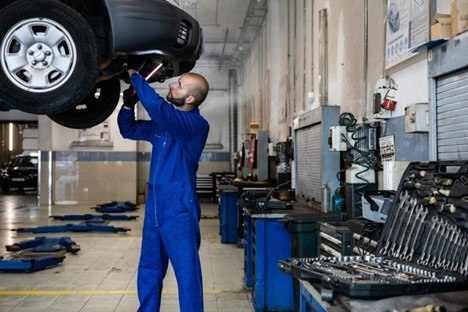
It’s good practice for all cars to be inspected by a qualified, independent mechanic as part of the negotiation process. As a buyer, there are many vehicle faults that may be a dealbreaker for you. However, for more minor scratches, dings, or similar, you can instead insist on lowering the price further. Either that, or insist that the seller gets it fixed before going any further.
After all, you wouldn’t be saving much if you had to (hypothetically) pay to get it fixed yourself.
Ultimately, meeting up for a one-on-one with another individual, outside of the car sales industry, is going to give both of you more wiggle-room to make the best deal possible. And, since neither of you have the fixed costs and overheads of a dealership, making that mutually beneficial trade is more than possible.
For more information, please contact iFinance Cars at https://ifinancecars.co.za/contact-us/